What's new

Catch Can Doing It’s Job

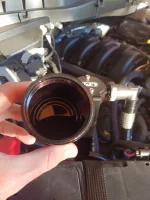
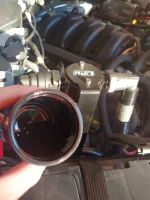
First check of the J&L catch can after 3k miles; I’m no mechanic but that looks like more oil than I would want circulating

I’ll be checking it every oil change going forward

IMG_2764.webp
 
2023 5.0, changed the oil at 3800k to Penzoil’s full synthetic. Added the catch can at the same time. Immediately drove on a 900 mile road trip over the weekend and checked it today, just for kicks. Unpleasantly surprised would be accurate. Guess I should have installed it sooner.
 

Attachments

  • 20231101_174615_HDR_resized.webp
    20231101_174615_HDR_resized.webp
    103.4 KB · Views: 91
  • 20231101_174627_HDR_resized.webp
    20231101_174627_HDR_resized.webp
    135.2 KB · Views: 89
I get that these things catch "stuff," That's what PCV systems have done since they came about decades ago, and on every other car made since.

Has anyone compared this to other cars? If you have other vehicles that are DI, have you put catch cans on those?

Has anyone done a Blackstone on what comes out to see how much is water and how much is fuel?

How much oil are you usually down at an oil change?
 
Anyone have any issues with Warranty after install? I need to bring my truck in for service.
 
Someone please explain what a catch-can is and why it’s important? Why wouldn’t factory install?
Same question. If it's so important why wouldn't it be factory equipped. Not buying the logic here...
 
Same question. If it's so important why wouldn't it be factory equipped. Not buying the logic here...
You can use same logic to ask why they recommend 10k mile oil intervals among other ridiculous recommendations. The more your truck is in the shop the more they make on you in parts.
 
UPR catch can in my Coyote since week one.

I have them in my Broncos too with the 2.7L Ecoboost.

Catch can does it's job for both engines.
 
Took me longer than I’d have liked but I grabbed the UPR one and put it on at 12,000 miles. I did both sides even though drivers side doesn’t really need it I figured why not. The catch can seems to accumulate about half an ounce every 1,000 miles or so. No change in collection from before and after the Whipple which I think is a good sign. I did get some extra quick connect fittings and trim the hose down to mitigate condensation issues and pooling. So far it’s just been pure clean oil and I attribute that to the modern design of the can as well as the custom tubing. I’m used to catch cans having all kinds of gross milkshake over winter time from condensation. Motionraceworks makes a neat 2 stage catch can that I’ve thought about going to but haven’t seen a need yet. This development truck has been more for tame general purpose over all our race performance

 
Same question. If it's so important why wouldn't it be factory equipped. Not buying the logic here...

I doubt Ford would want to fight over warranty considering Ford Performance actually sells catch cans as accessories.
 
Took me longer than I’d have liked but I grabbed the UPR one and put it on at 12,000 miles. I did both sides even though drivers side doesn’t really need it I figured why not. The catch can seems to accumulate about half an ounce every 1,000 miles or so. No change in collection from before and after the Whipple which I think is a good sign. I did get some extra quick connect fittings and trim the hose down to mitigate condensation issues and pooling. So far it’s just been pure clean oil and I attribute that to the modern design of the can as well as the custom tubing. I’m used to catch cans having all kinds of gross milkshake over winter time from condensation. Motionraceworks makes a neat 2 stage catch can that I’ve thought about going to but haven’t seen a need yet. This development truck has been more for tame general purpose over all our race performance

Now you have me wondering about trimming the hoses on mine. The one on the head side is long due to the short distance from the can to the connection
 
Now you have me wondering about trimming the hoses on mine. The one on the head side is long due to the short distance from the can to the connection

That’s why I ended up doing mine. It seemed a little long and I didn’t like the bends. I grabbed new fittings primarily to better transition the hose. I didn’t like how much torque was being applied to the PCV outlet on the valve cover so I think I did a 45° on that one and then another 45° on the inlet of the catch can. I did buy extra hose only because I had shortened it up before the whipple and then was nervous I’d need more. I’ll snap a pic when I remember the next time I see the truck. It ended up being pretty short runs with room of course for the minimal movement of the engine.
 
It's cheaper for the OEM and easier for the avg consumer to just redirect it into the intake. I'm sure there's some level of liability involved with a sprinkling of increased maintenance profits.
Doesnt the oil just burn up? Whats the damage here without one?
 
My ‘19 Raptor, and I assume most other Ecoboost engines have several sensors in the intake. One is near the air filter, another near the throttle body, and another in the rear portion of the intake manifold.
Before installing the Catch Can there would be oil buildup on the one in the back of the intake manifold.
Oil on the sensor caused a rougher idle and missing at WOT. Cleaned the sensor, problem solved.
After Catch Can, no more issues.
The Raptor accumulated about 1.5 to 2 ounces in 5k miles. ‘23 Tremor does similar.
Glad to not have the extra oil going into the intake.
Some of you guys may also remember the PCV system on older engines dumped oil back into the intake system via a plate under the carburetor which would gum up and clog, creating pressure in the crankcase, and often result in oil being pushed out rear main seals.
I would rather catch and remove the oil rather than burn it.
Just my experience.
 
Doesnt the oil just burn up? Whats the damage here without one?
Short answer yes its supposed to just burn off and never be an issue. On direct injection engines it leads to build up on the back of the valves that kills power/efficiency/etc then you need walnut blasting to clean it. Our 3.5/5.0s are both port and direct injection so that helps "clean" the back of the valves a bit. iirc cold start is port with some DI to help light the cats then normal driving is DI and WOT/heavy driving is both. On boosted vehicles typically there's a charge cooler somewhere in the intake track - since its job is to cool the air (and therefore vapors) its very common that all the junk you see catch cans full of gets condensed in said charge cooler. Makes the charge cooler less efficient and could theoretically "fill" at some point choking off the system. 5.0's less of a concern aside from general buildup prevention. OEMs dont really add them because its yet another maint item people will forget or screw up; hell they're taking away dipsticks.

Older vehicles pre DI were less of an issue since the injectors were constantly washing the back of the valves with fuel. Carbs you had the plate setup above and/or a little filter on one or both of the valve covers that just vented to atmosphere
 
Short answer yes its supposed to just burn off and never be an issue. On direct injection engines it leads to build up on the back of the valves that kills power/efficiency/etc then you need walnut blasting to clean it. Our 3.5/5.0s are both port and direct injection so that helps "clean" the back of the valves a bit. iirc cold start is port with some DI to help light the cats then normal driving is DI and WOT/heavy driving is both. On boosted vehicles typically there's a charge cooler somewhere in the intake track - since its job is to cool the air (and therefore vapors) its very common that all the junk you see catch cans full of gets condensed in said charge cooler. Makes the charge cooler less efficient and could theoretically "fill" at some point choking off the system. 5.0's less of a concern aside from general buildup prevention. OEMs dont really add them because its yet another maint item people will forget or screw up; hell they're taking away dipsticks.

Older vehicles pre DI were less of an issue since the injectors were constantly washing the back of the valves with fuel. Carbs you had the plate setup above and/or a little filter on one or both of the valve covers that just vented to atmosphere
1+
Earlier Ecoboosts had problems with buildup issues in the CAC which was causing missing and Check Engine lights with WOT Acceleration. Ford did several fixes to correct and some would even drill a small hole in the bottom of the CAC to get rid of the buildup before it got into the intake. This was more common in humid climates. Got several TSBs on my ‘13 regarding this issue.
 
Interested in adding one of these to my new truck when it gets here, but I’m reading that adding a catch can will void the powertrain warranty. Is that true? Worth the risk?
It definitely doesn’t hurt the engine to have one.
Cheap insurance.
If you’re worried about what your dealer might say, before taking your vehicle in for service or warranty work, just pop the hood and remove it.
It’ll take less than 5 minutes and everything will be back to stock.
 
Anyone have any issues with Warranty after install? I need to bring my truck in for service.
It can be removed in less than 5 minutes by you and the vehicle will be back to stock.

Just do this before taking your vehicle in for service.
 
Back
Top